One genre that has almost become somewhat of a niche now is Jazz. Jazz itself used to be one of the largest—if not THE largest—genre of music. Where did it go? What became of it? How many jazz songs am I going to shamelessly put into this blog? Find out here.
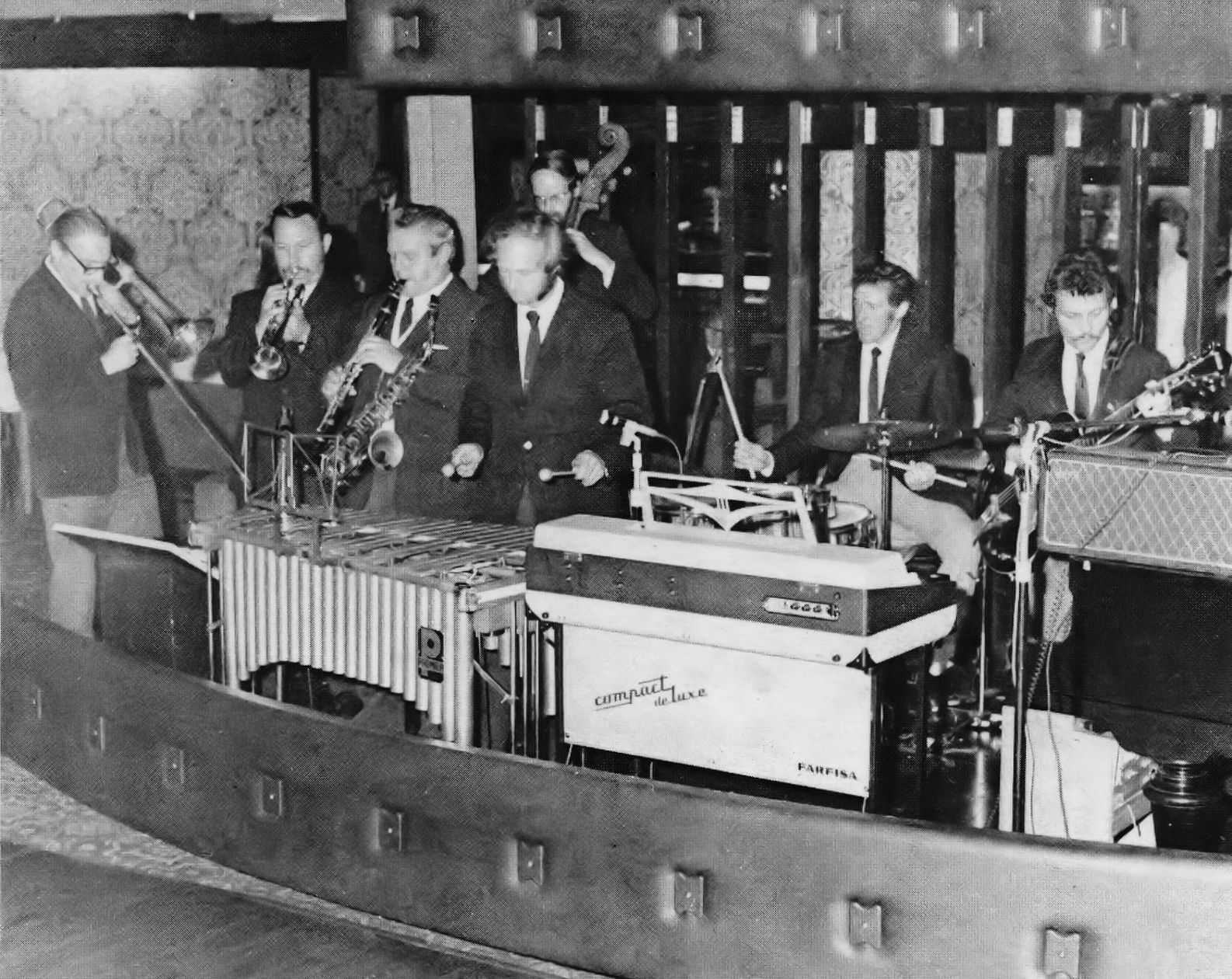
Jazz most notably peaked in the late 30s and most of the 40s. The genre gave way to the sub-genres of Big Band and Swing. Headliners like Benny Goodman and Artie Shaw became household names for their distinct conducting and style. West and East coast big bands had their own sound entirely. West coast took inspiration from a lot of Latin instruments, often incorporating them into their songs. The West Coast sound was slower and more romantic compared to its East Coast counterpart.
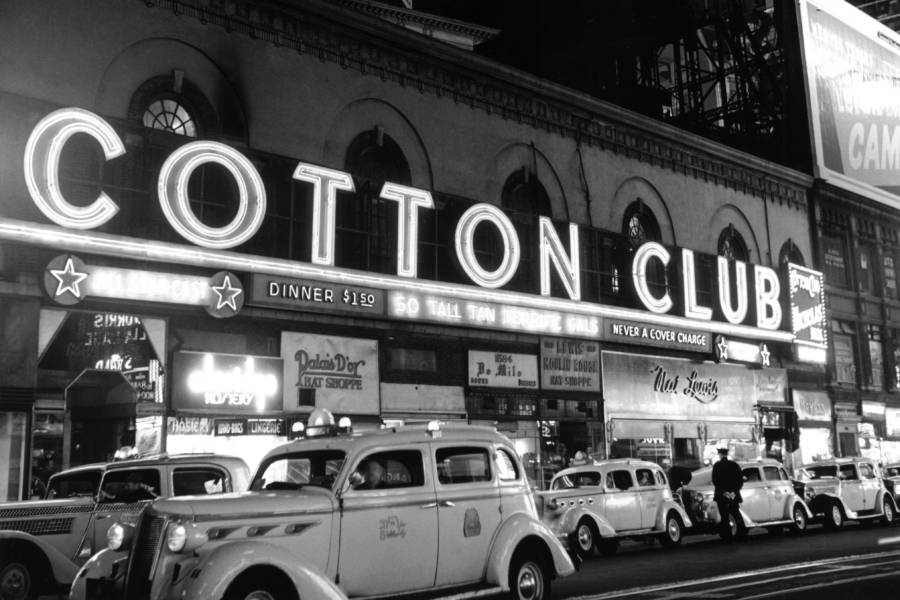
East Coast Jazz was the most popular of the type. Musical giants would come out of New York especially to revolutionize the Jazz sound. Duke Ellington, fresh out of the Cotton Club, would become one of the greatest African-American Jazz players in history of the genre. One of his most popular songs, “Take the ‘A’ Train,” sounds busy, like the bustling streets of New York or the crowded tunnels of the subway. Eventually, America would move on from the lyric-less instrumentals of composers-turned-jazzists. Not long after Big Band reached popularity, the Rat Pack broke new ground in Jazz history.
Creating what is now Pop, artists like Frank Sinatra and Bobby Darin would combine jazz backings with crooning. Referred to many as “Easy Listening,” one could put on a Sinatra record (or any other member of the Rat Pack, my favorite being Dean Martin) and kick back in a lounge bar and enjoy the atmosphere. These pop singers would eventually bring with them the downfall of the genre of Jazz.

Rock n’ Roll is the most pointed-to reason for the death of Jazz. Artists like Roy Brown made the transition from Jazz musician to Rock singer in the mid-to-early 50s .Of course the most popular Rocker of the era was…
Buddy Holly.
Bet you thought I would say Elvis.
While Elvis’s hips single-handedly destroyed American broadcasting stations, it was Holly who made the genre as popular as it was. Elvis would sing, but never play any of his instruments live—without a backup group, that is. Presley also did not write his own songs (not to discredit The King in any way, though). Holly, however, brought his clean-cut look to the stage and played live what he himself wrote on paper. With Holly and Elvis headlining both the Television and the Newspapers, the death of the Jazz musician was at hand.
Jazz was still alive in spirit, however. Combining Rock n’ Roll and Jazz, artists like Edwin Starr and Marvin Gaye would create some of the most famous examples of Rhythm and Blues. The rife-with-controversy Vietnam War would give way to songs like “WAR!” and “What’s Going On” which helped shape both modern Rock and post-modern Jazz.
History lesson aside, what’s left of Jazz in the 21st Century?
Aside from being used in soundtracks like in David Lynch’s “Twin Peaks” (you should watch that, by the way) and Cowboy Bebop (you ABSOLUTELY should watch that one), Jazz has seen another resurgence in a much more modern way.

LoFi is a new type of genre which borrows heavily from Jazz. Using more synthetic, electric beats, LoFi borrows a lot of instruments from Jazz classics and often rips samples from past Jazz songs, much like the early days of rap. While not nearly as frenetic as most classical forms of Jazz, LoFi is just as relaxing—if not more than relaxing—as the classic Rat Pack songs of the mid 20th Century.
Of course I could bore you for hours if I wanted to go into even more detail on the history of rock and jazz, as those were my best two performing classes at the community college I graduated. But if you want to know more, feel free to send me a DM. Just don’t get me started on Cool Jazz.
:format(jpeg):mode_rgb():quality(90)/discogs-images/R-161590-1325505004.jpeg.jpg)
 A Royale With Cheese
Hey Alex! Honestly I didn’t think many people still cared for or even listened to jazz music anymore. I was in jazz band waaaay back in high school and honestly the different energy that we had to use to play compared to concert band was totally different. With jazz you’re able to add your own little twist to certain parts and isn’t as constricting. When playing in concert band it has to sound exactly like it was written. I liked how you took us kind of from the start of jazz to how we got to some of our music today. Also, I still think Elvis was the most popular rocker, but I’m biased. 🙂
LikeLiked by 1 person
Wow. Quite the dive here. Could probably have been a couple of blog posts. I think I saw that the Ken Burns series on Jazz is available on the PBS web site because of the viral outbreak.
Like Alana, I played in jazz band back in high school, and back in the day I saw Buddy Rick several times, Stan Kenton a couple of times, Woody Herman and Maynard Ferguson.
LikeLiked by 1 person
The crazy thing about Jazz music is the variety of sounds that you can hear in one track. Do you ever feel like you were born during the wrong era? If I had to choose, I definitely wouldn’t mind being born during the time where you could step into a club and dance to some cool Jazz. My favorite part about Jazz music is the way the rhythm can almost be improvised as the soon move alongs. It’s really a tremendous thing with a magical sound.
LikeLiked by 1 person
I love the 40s era. I used to be obsessed with WWII, so combining that with the height of the Jazz era would’ve been perfect for me
LikeLiked by 1 person